September 21, 2026
Commercial properties rely on hard-wearing surfaces that can handle daily foot traffic, changing weather, recreational activity, and the demands of regular maintenance. Concrete is a practical material for many of these needs because it can be installed in different forms while providing a durable foundation for everyday use. The right application depends on how a space will be used, how much traffic it receives, and what appearance or accessibility requirements it must meet.
A concrete contractor can help commercial property owners evaluate these factors before installation begins. From pedestrian walkways and visually distinctive surfaces to dedicated athletic areas, concrete flooring can serve a wide range of practical purposes. Comparing these applications makes it easier to determine which approach best fits a property's functional and design requirements.
Building Functional Commercial Sidewalks
Improving Pedestrian Access
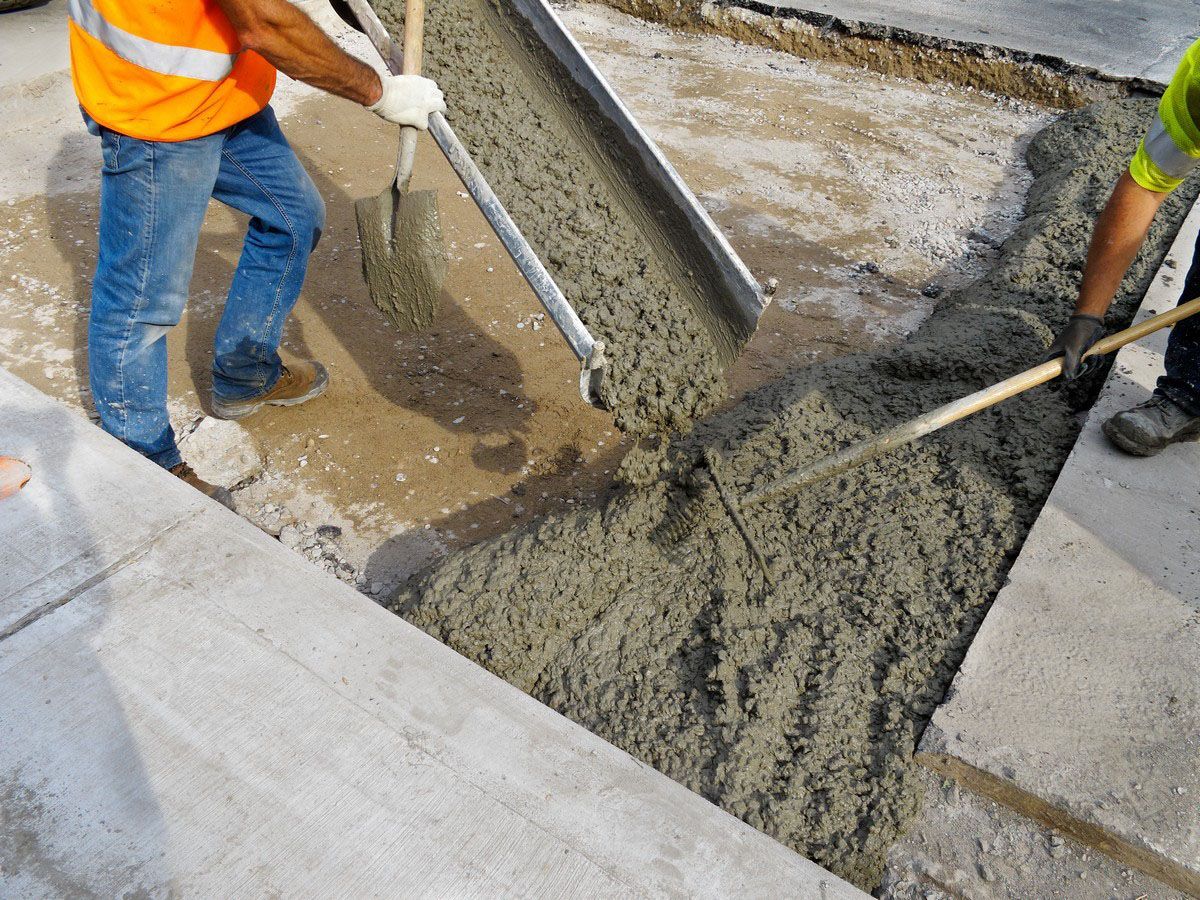
Concrete sidewalks provide designated routes for people moving between buildings, parking areas, entrances, recreational spaces, and other parts of a commercial property. A well-planned sidewalk can help separate pedestrian traffic from vehicles while making a property easier to navigate. A concrete contractor can create straight, curved, or custom-shaped walkways based on the property's layout and anticipated traffic patterns.
Accessibility is another important consideration for commercial sidewalks. Ramps, transitions, and walkway dimensions may need to accommodate people using wheelchairs, mobility devices, or other assistive equipment. Incorporating accessible routes into the original design can make a property more functional while supporting compliance with applicable accessibility requirements.
Supporting Safety and Drainage
The condition and design of a sidewalk can affect how safely people move around a property. Uneven surfaces, deteriorating sections, or poorly planned transitions can create unnecessary hazards, particularly in areas with frequent pedestrian activity. A concrete contractor can evaluate the site and develop a surface that provides a stable walking area while accounting for factors such as grades, drainage, and surrounding features.
Drainage should also be considered during sidewalk installation. Concrete walkways can be designed with appropriate slopes and site grading so water moves away from areas where it could create pooling or interfere with pedestrian access. Proper preparation beneath the surface can further support the sidewalk's performance and reduce the likelihood of premature deterioration.
Creating Long-Term Value
Commercial sidewalks are exposed to weather and regular use, so longevity is an important part of their practical value. According to the Federal Highway Administration, concrete pavement is generally designed to provide at least 30 years of service, with some pavement expected to remain functional for 40 to 50 years. While actual performance depends on design, installation, site conditions, maintenance, and usage, this illustrates why concrete can be a suitable material for long-term commercial applications.
Enhancing Properties With Decorative Concrete
Combining Appearance and Function
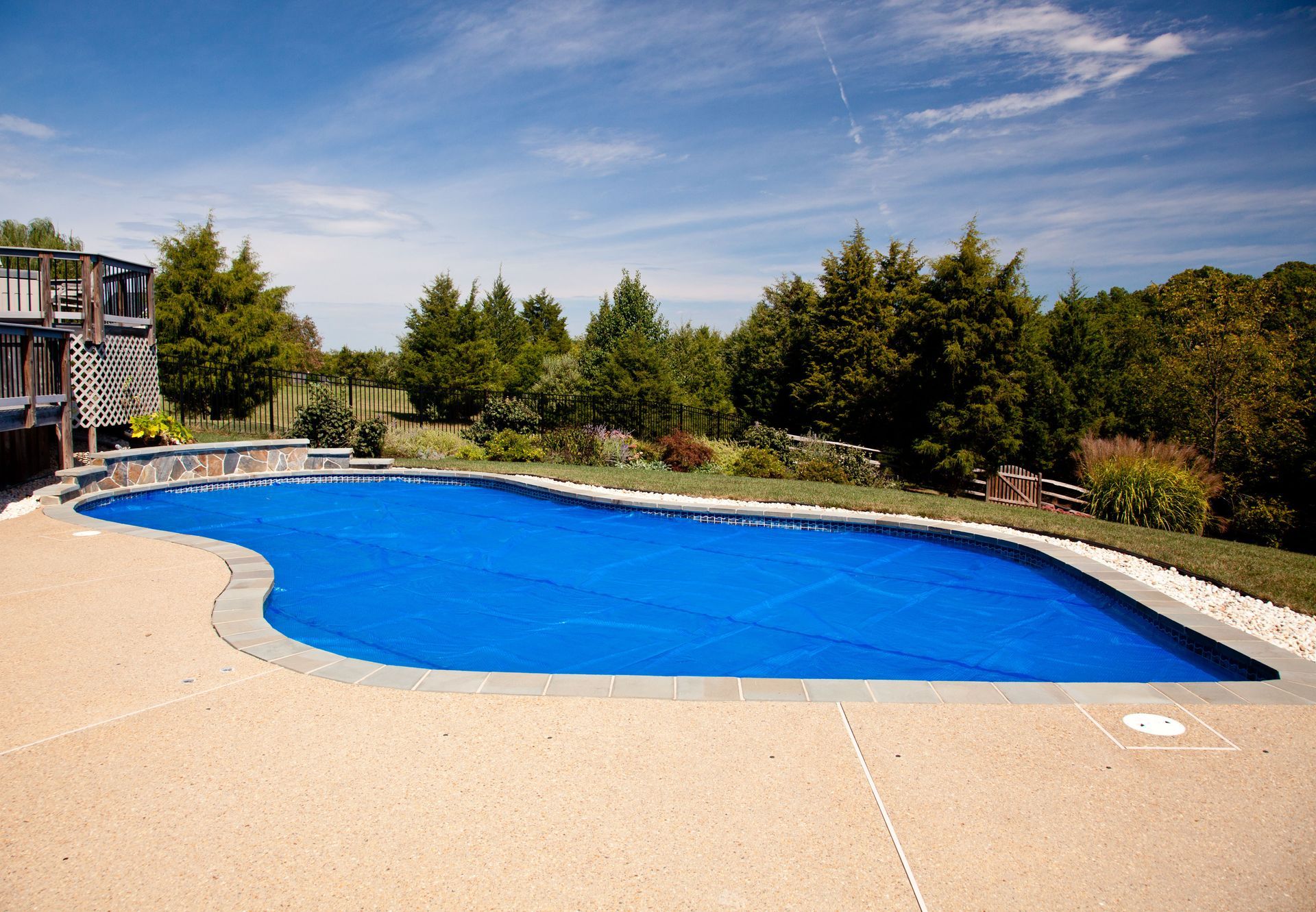
Decorative concrete allows commercial property owners to move beyond a strictly utilitarian surface without abandoning the practical characteristics associated with concrete. Stamped patterns, colored finishes, exposed aggregate, staining, and other treatments can create surfaces that complement a building's architecture or surrounding landscape. A concrete contractor can help determine which finish is appropriate for the intended application and expected traffic.
This approach can be particularly useful around entrances, walkways, patios, courtyards, gathering areas, and other visible portions of a commercial property. Instead of treating these surfaces as purely functional infrastructure, decorative concrete can make them part of the property's overall visual presentation. The result can be a more cohesive appearance without requiring a completely different paving material.
Designing Surfaces for Commercial Spaces
Different decorative techniques can produce substantially different appearances. Stamped concrete can replicate the visual character of materials such as stone or brick, while colored concrete can introduce tones that coordinate with an existing building. Exposed aggregate provides a textured appearance, and polished or stained concrete can create a more refined finish for certain interior applications.
The intended use should remain central to the selection process. A surface installed in a busy pedestrian area may have different performance requirements from one used in a low-traffic decorative setting. A concrete contractor can consider traffic levels, exposure, maintenance expectations, surface characteristics, and design goals when helping a property owner select an appropriate finish.
Reducing Maintenance Demands
Commercial properties often benefit from surfaces that are relatively straightforward to maintain. Concrete can provide a solid surface that does not require the same type of recurring upkeep associated with some landscaping or loose-fill materials. Routine cleaning and prompt attention to damage can help preserve both the appearance and usability of decorative installations.
Durability is especially relevant when decorative concrete is used in areas that receive regular pedestrian activity or outdoor exposure. Choosing an appropriate installation method and finish can help the surface withstand normal commercial use. A concrete contractor can also discuss repair considerations and maintenance practices so property owners understand how to care for the finished surface.
Creating Practical Concrete Sports Courts
Supporting Multiple Recreational Uses
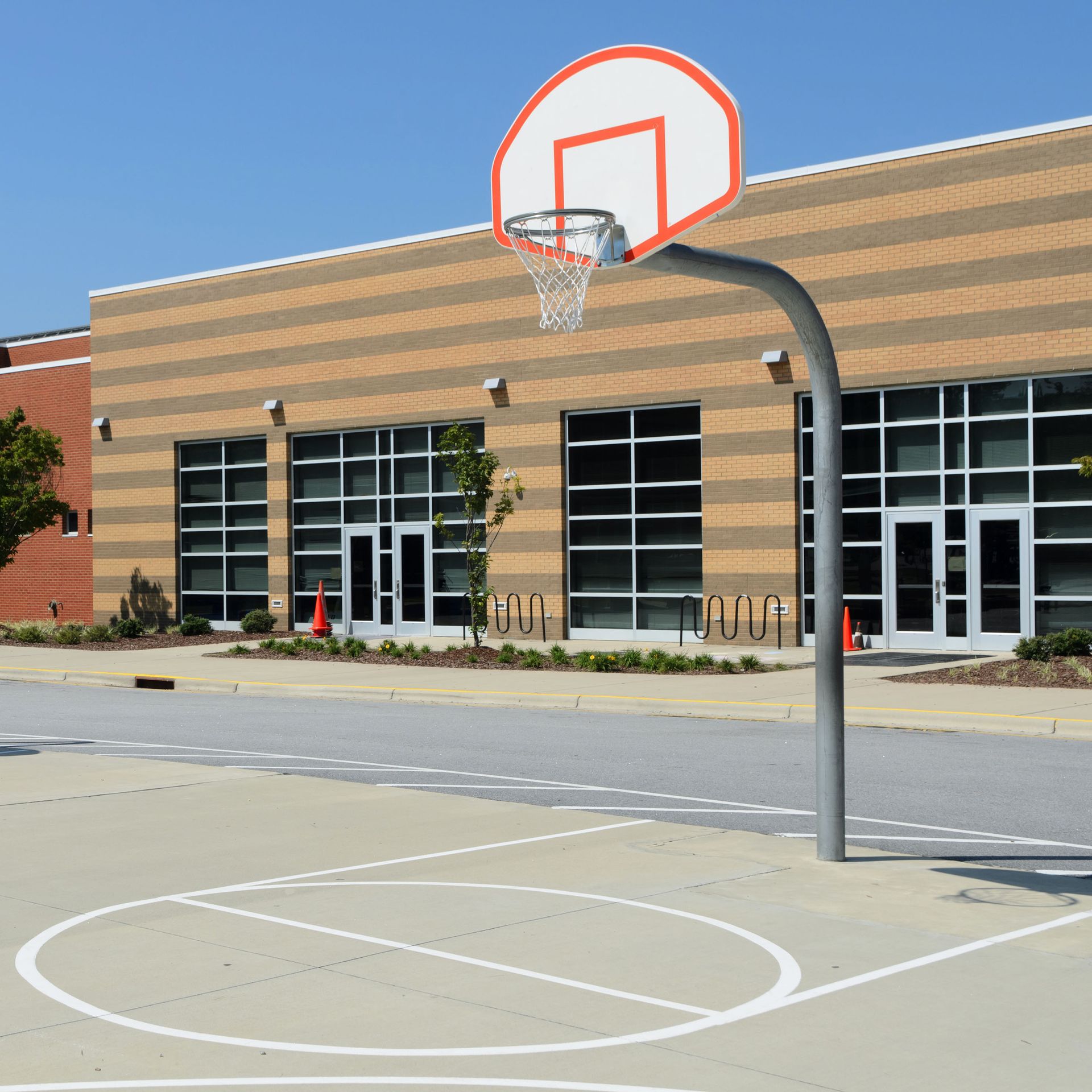
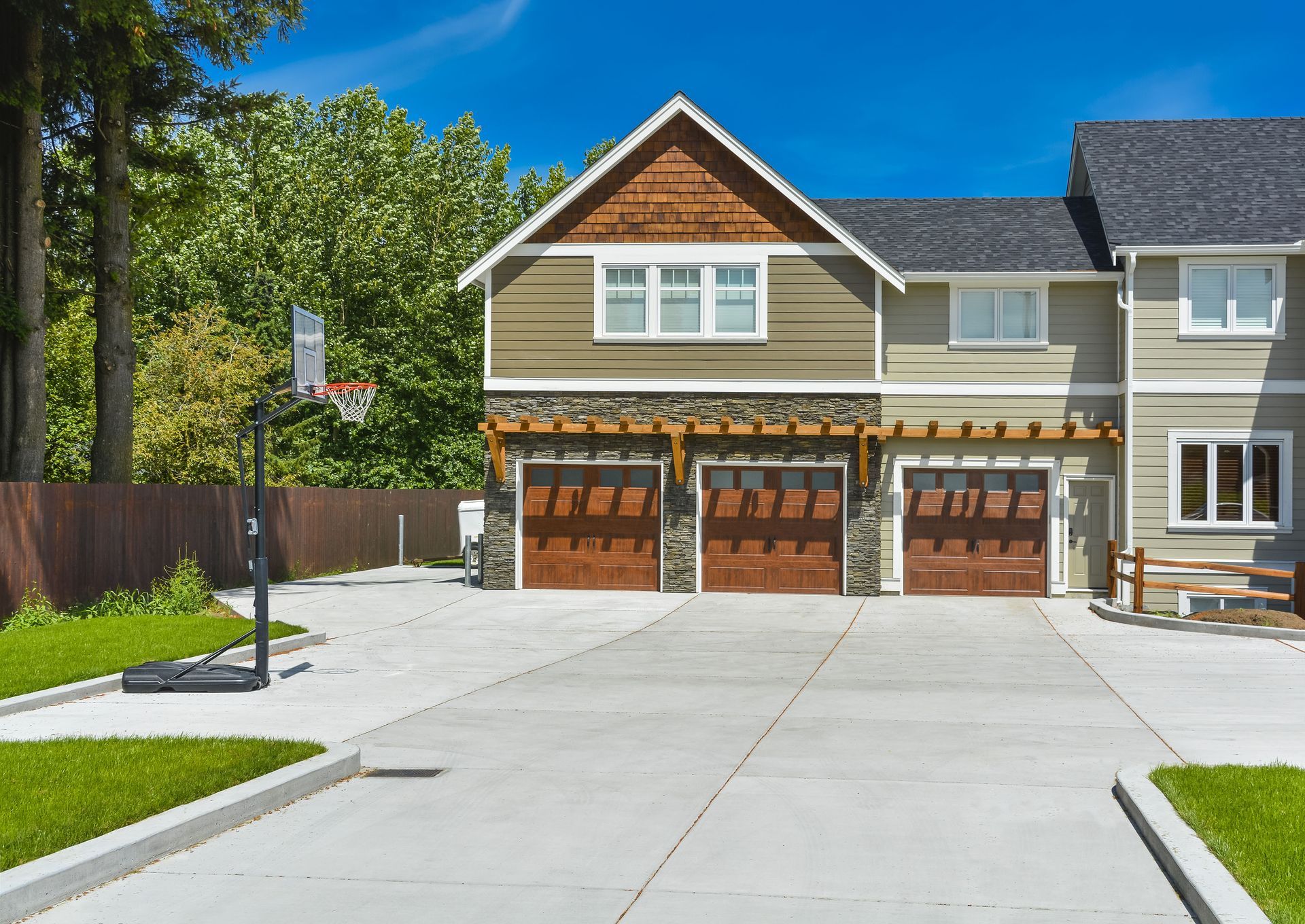
Concrete sports courts can provide dedicated areas for organized recreation, exercise, training, and community activities. Commercial and shared-use properties may use courts for tennis, basketball, volleyball, or multiple sports depending on the available space and intended programming. A concrete professional can help establish the underlying surface and layout needed to support the selected court configuration.
Multi-purpose designs can make efficient use of available outdoor space. Rather than dedicating an entire area to one activity, a properly planned court can accommodate different recreational uses at different times. The surrounding property should also be considered so entrances, walkways, fencing, landscaping, and spectator areas work together with the court.
Preparing a Stable Playing Surface
A sports court requires more than a large area of concrete. Proper site preparation, grading, dimensions, drainage, and finishing all influence how the completed surface functions. A concrete contractor should account for these considerations during planning so the court has a suitable foundation for athletic activity and can handle the environmental conditions associated with its location.
Surface characteristics are also important for recreational spaces. Players need a consistent area that supports movement and predictable play. Poor drainage, uneven areas, cracking, or inadequate preparation can interfere with the usefulness of a court and may increase maintenance needs. Careful construction helps establish a more suitable base for the court's final playing surface and markings.
Adding Recreational and Property Value
A well-designed sports court can serve as a practical amenity for businesses, residential developments, community facilities, hospitality properties, and other locations where recreation is part of the property's appeal. It can provide a designated space for physical activity while creating an additional gathering area for customers, residents, employees, families, or visitors.
The best concrete application depends on the property's specific objectives. Sidewalks are primarily focused on pedestrian circulation, accessibility, safety, and reliable movement throughout a site. Decorative concrete places greater emphasis on appearance while still serving a practical purpose. Sports courts require careful attention to layout, surface preparation, recreation, and drainage.
A concrete contractor can evaluate these priorities alongside site conditions and anticipated use. Commercial property owners should consider traffic levels, exposure to weather, accessibility needs, maintenance expectations, available space, and desired appearance before choosing a particular application. These factors can influence both the construction approach and the type of finish that makes sense for the project.
Concrete sidewalks, decorative surfaces, and sports courts demonstrate the versatility of concrete in commercial environments. Each application addresses different needs, but all can benefit from thoughtful planning, proper preparation, and skilled installation. Selecting the right approach can help create commercial spaces that remain functional, attractive, and suited to their intended use. Contact Garrett Concrete to schedule an estimate and take the next step toward a more durable, functional, and visually appealing commercial space.