November 25, 2026
Concrete thickness plays an important role in determining the strength, stability, and longevity of paved surfaces. Choosing the appropriate thickness helps ensure concrete can withstand expected weight, weather conditions, and everyday wear. For residential and commercial driveways, proper planning is especially important because these surfaces regularly support vehicles and other heavy loads. Experienced driveway companies consider several factors when determining the right thickness for a project, helping property owners achieve lasting performance and value.
Understanding Concrete Composition
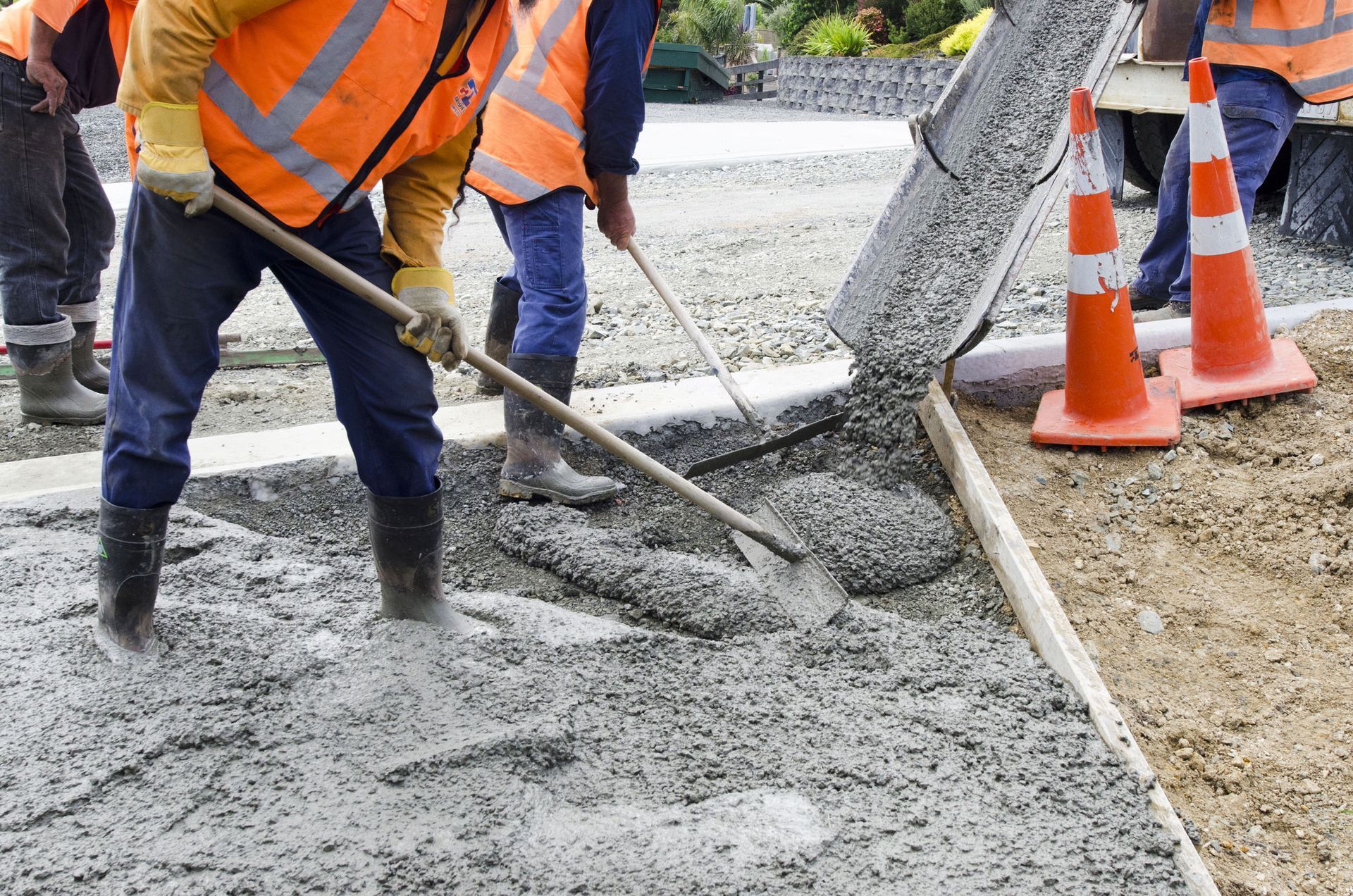
Concrete consists primarily of cement, aggregates, and water, which work together to create a durable construction material. Cement binds the mixture together, while aggregates such as sand, gravel, and crushed stone provide bulk and structural stability. The quality and proportions of these materials influence the finished concrete's strength and ability to withstand pressure.
The water-cement ratio also affects concrete performance. Too much water can weaken the finished material, increasing the likelihood of cracking and premature deterioration. Professional contractors select appropriate concrete mixtures to achieve the strength and workability required for each application.
Additional materials, including fly ash, silica fume, and plasticizers, can improve certain concrete characteristics. These additives may enhance strength, durability, and workability while allowing contractors to adjust the mixture to meet project requirements. Working with experienced driveway companies helps ensure material selections support the intended use of the finished surface.
Examining the Relationship Between Thickness and Strength
Concrete thickness directly influences how effectively a slab distributes weight and withstands pressure. Thicker slabs generally provide greater structural support because they distribute applied loads through a larger volume of material. This becomes particularly important for driveways that regularly accommodate cars, trucks, and other vehicles.
According to Today's Homeowner, concrete driveways can withstand a PSI of 6,000. However, achieving the appropriate performance requires more than selecting a concrete mixture with a particular compressive strength. Slab thickness, reinforcement, soil conditions, and installation quality all contribute to the finished driveway's ability to handle expected loads.
Residential driveways commonly require approximately four to six inches of concrete, depending on their intended use and site conditions. Surfaces expected to support heavier vehicles or frequent traffic may require additional thickness and reinforcement. Professional driveway companies evaluate these requirements before recommending an appropriate design.
Evaluating Load Distribution and Structural Performance
Concrete must distribute pressure across its surface to minimize stress concentrations and reduce the possibility of structural damage. When a vehicle travels across a driveway, its weight creates pressure that the concrete slab and supporting base must accommodate. Adequate thickness helps the slab resist bending and distribute these forces more effectively.
Different applications require different structural considerations. A residential driveway used primarily for passenger vehicles may have different requirements than a commercial entrance that accommodates delivery trucks. Understanding traffic patterns and anticipated weight helps contractors determine suitable construction specifications.
Insufficient thickness can increase the likelihood of cracking, settlement, and other structural problems. These issues may become more noticeable when heavier vehicles repeatedly travel over the same areas. Qualified driveway companies consider expected traffic and ground conditions when planning a durable concrete installation.
Considering Environmental and Durability Factors
Environmental conditions influence how concrete performs throughout its lifespan. Moisture, temperature fluctuations, freeze-thaw cycles, and chemical exposure can gradually weaken concrete surfaces. Proper thickness, combined with an appropriate mixture and installation approach, helps improve resistance to these conditions.
Moisture management is particularly important for outdoor concrete. Water that penetrates the surface can contribute to deterioration, especially when temperatures fluctuate above and below freezing. Proper drainage and a well-prepared supporting base help limit water-related problems and protect the driveway.
Concrete must also withstand regular abrasion and mechanical wear. Vehicle tires, foot traffic, and environmental exposure gradually affect the surface over time. Adequate thickness provides structural support, while proper finishing and installation contribute to long-term performance.
Preventing Cracks and Premature Deterioration
Cracking is one of the most common concerns associated with concrete driveways. Although some cracking can occur as concrete naturally shrinks during curing, excessive cracking may indicate problems with the supporting base, slab design, or installation. Selecting appropriate thickness is one important consideration in reducing structural stress.
Ground preparation also plays a significant role in preventing damage. Unstable soil or an improperly compacted base can cause uneven support beneath the concrete, increasing the likelihood of settlement and cracking. Professional contractors evaluate site conditions and prepare the foundation to provide consistent support.
Control joints are another important part of concrete driveway construction. These joints help direct shrinkage-related cracking toward predetermined locations rather than allowing random cracks to develop across the surface. Experienced driveway companies incorporate appropriate joint placement and construction practices to improve the appearance and performance of finished driveways.
Balancing Concrete Thickness and Project Costs
Concrete thickness affects both material requirements and overall installation expenses. Thicker slabs require additional concrete, which can increase material, transportation, and labor costs. However, choosing a thickness that is too small for the intended application can lead to expensive repairs or premature replacement.
The goal is to balance structural requirements with reasonable project costs. Contractors consider vehicle weight, traffic frequency, soil stability, and environmental exposure when recommending specifications. These factors help determine where additional thickness or reinforcement may provide meaningful long-term value.
Property owners should also consider the costs associated with ongoing maintenance. A properly designed driveway can reduce the likelihood of recurring structural problems and help limit future repair expenses. Working with qualified driveway companies allows property owners to make informed decisions about materials, thickness, and overall construction requirements.
Following Construction Standards and Industry Advancements
Building codes and industry standards provide important guidance for concrete construction. Requirements can vary depending on the location, application, and expected structural demands of a project. Following applicable standards helps ensure concrete surfaces meet appropriate safety and performance expectations.
Advancements in concrete technology are also creating new opportunities for improved strength and durability. High-performance concrete mixtures and specialized additives can enhance material characteristics for demanding applications. These developments allow contractors to select products that better address specific construction requirements.
Modern measurement and planning technologies further support accurate concrete installation. Digital modeling and improved measuring equipment help contractors evaluate site conditions and maintain consistent slab dimensions. These methods contribute to better quality control and more predictable construction results.
Selecting the Right Concrete Thickness for Your Project
Every concrete driveway has unique requirements based on its size, intended use, location, and supporting soil conditions. A residential driveway that accommodates occasional passenger vehicles will have different needs than a commercial surface designed for regular heavy traffic. Considering these differences helps determine the appropriate combination of thickness, reinforcement, and concrete strength.
Property owners should also account for drainage, grading, and the condition of the existing surface when planning a new installation. These details influence how effectively the finished driveway handles water and supports vehicle weight. A comprehensive project evaluation helps prevent problems that could compromise the concrete over time.
Experienced driveway companies understand how these construction factors work together. They can evaluate the property, recommend suitable materials, and establish specifications that accommodate the driveway's expected demands. Careful planning helps produce a surface that offers dependable performance without unnecessary material expenses.
When planning a new concrete driveway or replacing an aging surface, working with knowledgeable professionals can make a significant difference. Garrett Concrete provides concrete services designed around the needs of each property and project. Contact Garrett Concrete to discuss your driveway installation and learn how proper thickness, material selection, and professional construction can contribute to a strong, durable surface.