May 26, 2026
Concrete is one of the most durable and widely used construction materials in the world, valued for its strength and long-lasting performance. Many people assume concrete fully hardens within just a few days, but the curing process continues long after the initial installation is complete. According to Ideal Work, while concrete reaches about 90% of its final strength after four weeks, it continues to harden for decades because of the carbonation process, where calcium hydroxide reacts with CO2 in the air. This ongoing hardening contributes to the long-term durability of concrete structures in residential, commercial, and industrial settings. Professional concrete companies understand how curing conditions affect long-term performance and structural reliability. Proper curing and installation methods are essential for achieving maximum material strength over time.
Supporting Structural Stability Through Proper Installation Practices
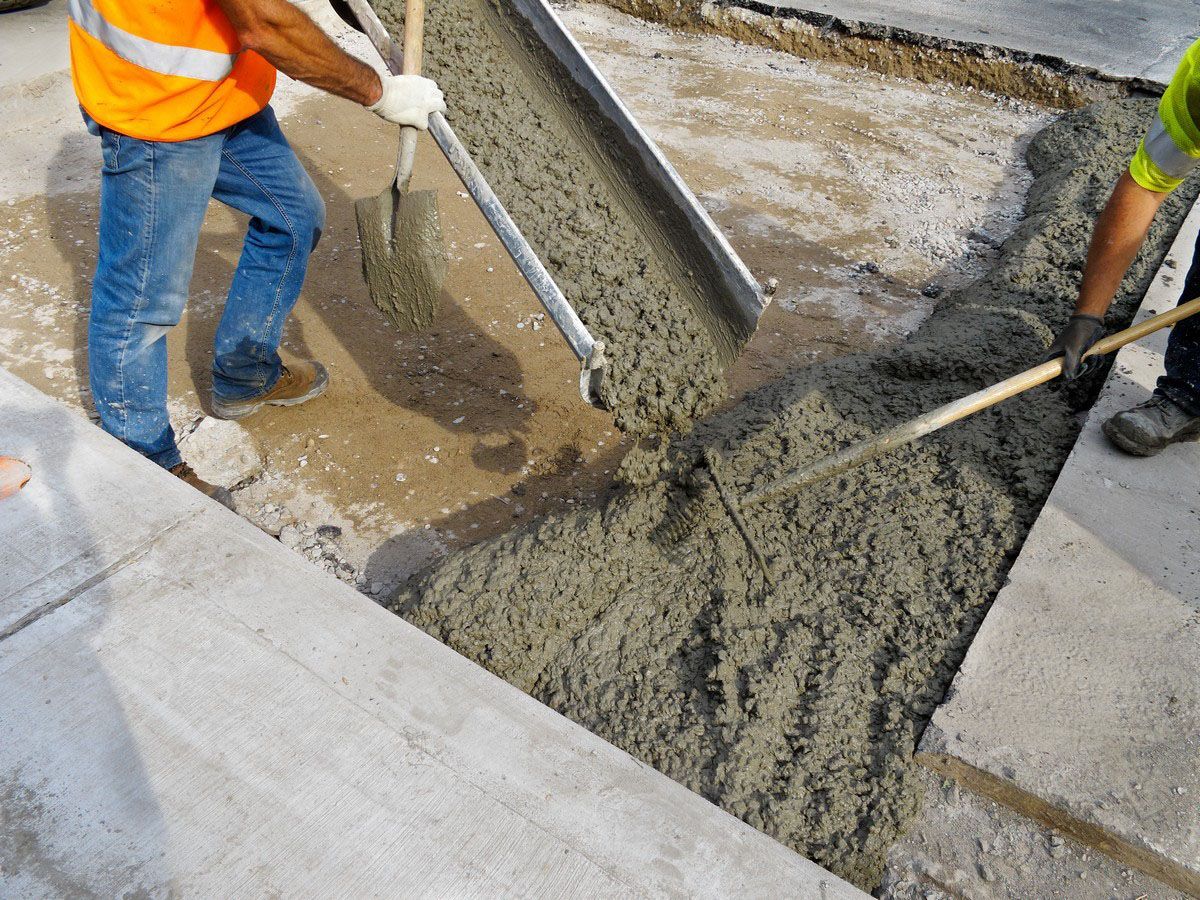
Concrete plays a major role in supporting structural stability for foundations, driveways, sidewalks, patios, and retaining walls. The quality of installation directly affects how well the material performs under heavy loads and changing environmental conditions. Professional concrete companies use precise preparation techniques to ensure the ground is stable and properly graded before pouring begins. Correct reinforcement placement and controlled curing processes help prevent cracking and uneven settling. Well-installed concrete provides dependable support for structures exposed to daily stress and long-term wear. Structural stability depends heavily on professional workmanship and attention to detail during installation.
Improving Surface Durability Through Reinforced Construction Methods
Durability is one of the primary reasons concrete remains such a popular building material across many industries. Reinforcement methods, including steel rebar and mesh integration, help concrete resist pressure, impact, and shifting over time. Professional concrete companies carefully evaluate the intended use of each project to determine the appropriate reinforcement strategy. Reinforced concrete performs especially well in high-traffic areas where repeated weight and movement place strain on the surface. Properly reinforced installations reduce the likelihood of premature deterioration or structural weakness. Long-lasting durability makes concrete a practical solution for a wide variety of applications.
Enhancing Exterior Appearance Through Decorative Finishing Options
Concrete is no longer viewed as only a plain gray construction material. Modern finishing techniques allow homeowners and property managers to customize concrete surfaces with decorative textures, colors, and patterns. Professional concrete companies offer options such as stamped concrete, exposed aggregate finishes, and polished surfaces to enhance exterior appearance. Decorative concrete can complement landscaping, architectural styles, and outdoor living spaces while maintaining strong durability. These aesthetic improvements help elevate curb appeal and create more visually appealing environments. Functional performance and attractive design now work together in many modern concrete applications.
Reducing Maintenance Needs Through Professional Surface Preparation
One of the advantages of concrete is its relatively low maintenance requirements when installed correctly. Surface preparation plays a major role in determining how well concrete resists cracking, shifting, and moisture-related damage over time. Professional concrete companies prepare the base carefully to improve drainage and reduce soil movement beneath the slab. Proper installation techniques help minimize maintenance concerns and extend the lifespan of the finished surface. Routine cleaning and periodic inspections are often sufficient to maintain the appearance and functionality of concrete installations. Low maintenance needs contribute to the long-term practicality of concrete structures.
Increasing Weather Resistance Through Controlled Curing Processes
Concrete is exposed to a variety of environmental conditions, including rain, heat, freezing temperatures, and sunlight. The curing process is essential for helping concrete develop the strength needed to withstand these changing conditions. Professional concrete companies monitor temperature, moisture levels, and curing timelines to ensure the material sets properly. Controlled curing reduces the likelihood of surface weakness, shrinkage cracks, and premature deterioration caused by environmental stress. Proper weather resistance allows concrete to maintain its performance in both hot and cold climates. Environmental durability is one of the defining characteristics of professionally installed concrete.
Supporting Heavy Loads Through Reliable Material Composition
Concrete is widely used in construction because of its ability to support substantial weight without significant deformation. Roads, parking lots, foundations, and industrial flooring systems all rely on concrete for dependable load-bearing performance. Professional concrete companies carefully balance material composition to achieve the required strength for each specific application. The ratio of cement, water, sand, and aggregate affects the final durability and load capacity of the structure. Properly mixed and installed concrete can withstand years of pressure from vehicles, equipment, and structural loads. Reliable material composition is critical for ensuring long-term performance and safety.
Improving Drainage Performance Through Strategic Surface Design
Concrete surfaces can also contribute to better drainage management when designed and installed correctly. Sloping and grading techniques help direct water away from structures, reducing the risk of standing water and erosion. Professional concrete companies plan drainage carefully to protect both the concrete surface and the surrounding property. Proper water management helps preserve foundations, walkways, and driveways by minimizing moisture-related damage over time. Strategic surface design also improves safety by reducing slippery conditions caused by pooled water.
Protecting Structural Integrity Through Crack Prevention Techniques
Cracking is one of the most common concerns associated with concrete surfaces, but professional installation methods help reduce this risk significantly. Expansion joints, reinforcement systems, and controlled curing processes all contribute to improved crack resistance. Professional concrete companies use these techniques to allow concrete to expand and contract naturally with temperature changes. Preventing major cracking helps preserve both structural integrity and visual appearance over time. Small preventative measures during installation can greatly improve long-term performance.
Supporting Versatile Applications Through Adaptable Material Use
Concrete is one of the most versatile construction materials available because it can be adapted to many different applications. Residential driveways, sidewalks, patios, foundations, commercial flooring, retaining walls, and decorative features all benefit from concrete’s flexibility. Professional concrete companies tailor installation methods based on the specific requirements of each project. This adaptability allows concrete to function effectively in both structural and decorative roles. Its ability to serve multiple purposes contributes to its continued popularity across the construction industry. Versatile material use makes concrete suitable for a wide range of property improvements.
Increasing Longevity Through Professional Maintenance Practices
Although concrete is highly durable, regular inspections and maintenance help preserve its condition over time. Professional evaluations can identify early signs of wear, surface damage, or drainage issues before they develop into larger structural concerns. Professional concrete companies often recommend maintenance practices that support long-term surface stability and appearance. Addressing small issues early helps extend the lifespan of concrete installations while maintaining functionality. Proper maintenance also helps protect decorative finishes and reinforced structures from environmental wear.
Enhancing Property Value Through Quality Concrete Installations
Well-designed concrete features can improve both the appearance and functionality of a property, contributing to stronger overall value. Driveways, walkways, patios, and retaining walls all influence how a property looks and performs over time. Professional
concrete companies create installations that combine structural reliability with clean, attractive finishes. High-quality concrete work often enhances curb appeal while supporting better usability for residential and commercial spaces. Durable and visually appealing surfaces contribute positively to long-term property presentation. Concrete improvements remain one of the most practical and valuable investments for many property owners.
At Garrett Concrete, we understand the importance of durable, well-installed concrete for both residential and commercial properties. Our team is committed to delivering professional concrete solutions designed to enhance structural stability, improve appearance, and support long-term performance. We use quality materials, precise installation techniques, and careful planning to ensure every project meets high standards of durability and reliability. Whether you need driveways, patios, sidewalks, foundations, or decorative concrete features, our experienced professionals are dedicated to providing dependable workmanship tailored to your property’s needs. Contact Garrett Concrete today to learn how our professional concrete services can help improve the functionality, strength, and appearance of your property for years to come.