May 4, 2026
Creating an outdoor space that is both functional and visually appealing often begins with a quality patio. For many homeowners, concrete patio installation provides the perfect solution. A concrete patio is durable, versatile, and can be tailored to fit almost any backyard design. Understanding the key aspects of concrete patio installation is essential to ensure a successful project, from planning and preparation to maintenance and design. This guide explores what you need to know to make the most of your outdoor investment.
What Are the Benefits of Installing a Concrete Patio?
Concrete patios provide several advantages that make them a popular choice for homeowners. Durability is one of the most significant benefits. Unlike wood or composite materials, concrete can withstand extreme weather, heavy foot traffic, and everyday wear and tear without warping or deteriorating quickly. When installed correctly, a concrete patio can last decades, making it a long-term investment in your home.
Another benefit is low maintenance. Concrete patios require minimal upkeep compared to other materials. Occasional cleaning and resealing are usually sufficient to maintain their appearance and functionality. This ease of maintenance allows homeowners to spend more time enjoying their outdoor space rather than performing constant repairs.
Aesthetically, concrete is highly versatile. Homeowners can choose from a variety of finishes, textures, and colors to complement their home’s exterior. Whether you prefer a sleek, modern look or a rustic, textured surface, concrete can be customized to fit your vision. Stamped or colored concrete, in particular, allows for creative patterns and designs, making it a practical yet stylish choice for outdoor living areas.
Beyond aesthetics and functionality, concrete patios also add value to a home. A well-designed patio can serve as an attractive gathering space for family and friends, increasing the home’s appeal to potential buyers. For those looking to enhance both usability and property value, concrete patio installation is a practical solution.
How Do I Prepare the Site for Concrete Patio Installation?
Site preparation is a critical step in any concrete patio installation. A poorly prepared site can lead to uneven surfaces, cracking, and drainage problems, all of which compromise the patio’s durability. The first step in preparation involves clearing the area of debris, vegetation, and any existing structures that might interfere with the installation.
Once cleared, the ground must be leveled and compacted. Uneven surfaces can cause water to pool on the patio, leading to long-term damage. Proper grading ensures that water drains away from your home and the surrounding landscape. In some cases, installing a sub-base of gravel or crushed stone is necessary to provide additional stability and prevent shifting over time.
Planning for drainage is another crucial element of site preparation. Without proper drainage, water can accumulate on the surface or underneath the patio, potentially causing cracks or erosion. Installing a slight slope or incorporating drainage channels helps protect the integrity of the concrete and prolongs the patio’s lifespan.
Taking the time to carefully prepare your site before beginning a concrete patio installation can save you from costly repairs and maintenance issues down the line. It sets the foundation for a patio that is both functional and long-lasting.
What Steps Are Involved in Pouring and Curing the Concrete?
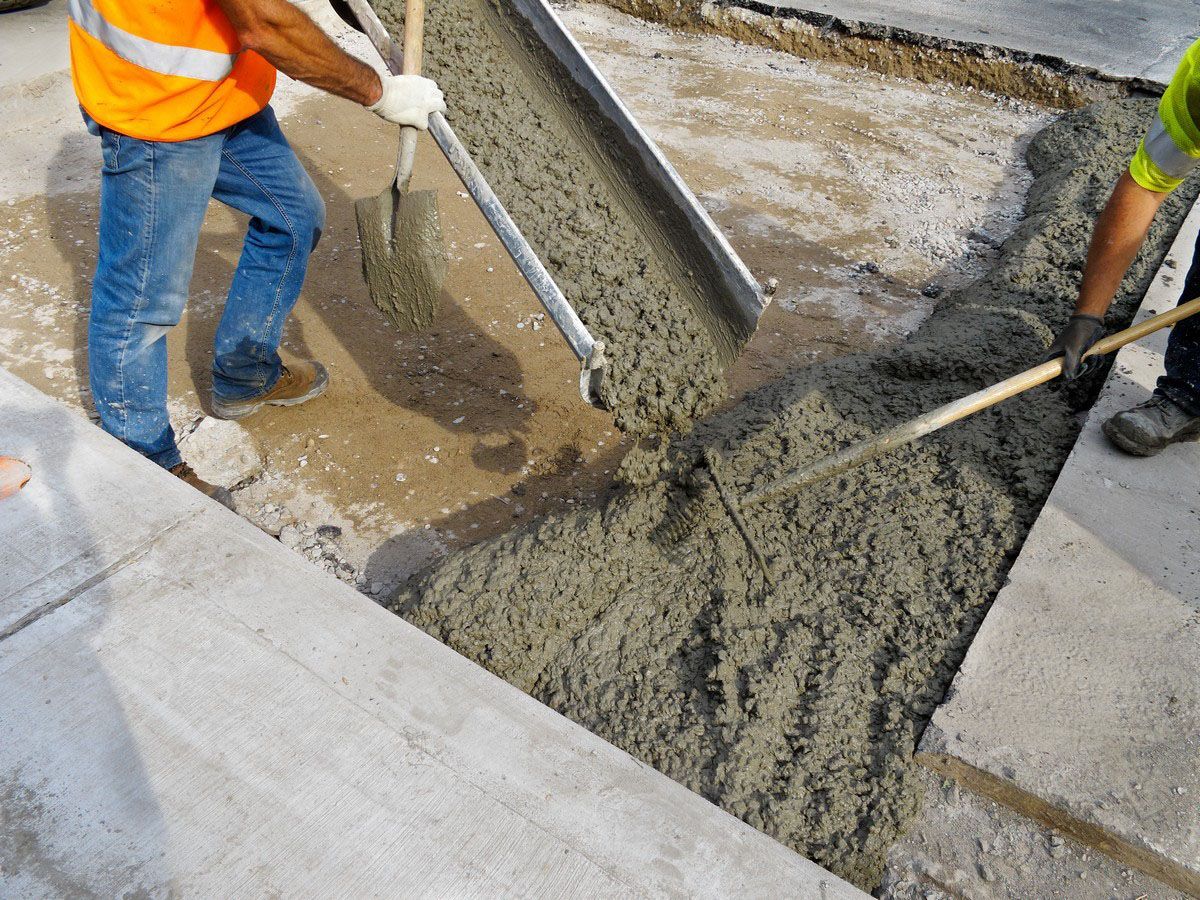
The process of pouring and curing concrete is at the heart of a successful patio installation. The first step involves mixing the concrete to the proper consistency, which is essential for strength and durability. Contractors often use pre-mixed concrete to ensure consistency, but some may choose to mix on-site depending on the project’s scale.
Pouring the concrete requires precision to achieve a smooth, level surface. Forms are typically used to shape the patio and keep the edges clean. After pouring, the concrete must be carefully leveled and finished, which may include techniques such as troweling, broom finishing, or stamping to achieve the desired texture.
Curing is a critical phase that ensures the concrete reaches its maximum strength. This process usually involves keeping the concrete moist for several days, allowing the chemical reactions that harden the concrete to occur properly. Rushing this step or neglecting it can result in a weak or cracked surface. Homeowners should consult with professionals or follow manufacturer guidelines to ensure proper curing practices are implemented.
It is also important to consider cost factors during installation. According to Gordian, concrete and masonry costs increased by approximately 3.9% in November 2023 compared to the same month in 2022, with concrete finishing costs rising by 8.5%. Being aware of these trends helps homeowners budget accurately and avoid unexpected expenses during a concrete patio installation.
How Do I Maintain My Concrete Patio After Installation?
Proper maintenance is essential for preserving the beauty and functionality of a concrete patio. Regular cleaning prevents the buildup of dirt, debris, and stains that can degrade the surface over time. Simple practices such as sweeping, washing with mild soap and water, or using a pressure washer can keep the patio looking fresh.
Sealing the concrete periodically is another key maintenance step. A high-quality sealer protects the surface from moisture, chemicals, and UV damage. Depending on the climate and usage, homeowners may need to reseal every two to three years to maintain optimal protection.
Cracks can occur naturally over time due to temperature fluctuations or settling. Addressing small cracks promptly prevents them from expanding and causing more significant structural problems. Various patching compounds are available for homeowners to perform minor repairs, while larger issues may require professional attention.
Routine maintenance not only preserves the patio’s appearance but also extends its lifespan. By taking a proactive approach, homeowners can enjoy their concrete patio for many years without significant repair costs.
What Are the Design Options Available for Concrete Patios?
Concrete patios offer extensive design flexibility, allowing homeowners to create a space that reflects their personal style and complements their home’s exterior. One popular option is stamped concrete, which can mimic the look of brick, stone, or tile. This technique adds texture and visual interest, transforming a standard concrete slab into an elegant outdoor feature.
Coloring is another design element to consider. Concrete can be tinted to match the home’s color palette or to create contrast for visual impact. Various finishing techniques, such as acid staining or integral color, provide unique tones and patterns that enhance the patio’s aesthetic appeal.
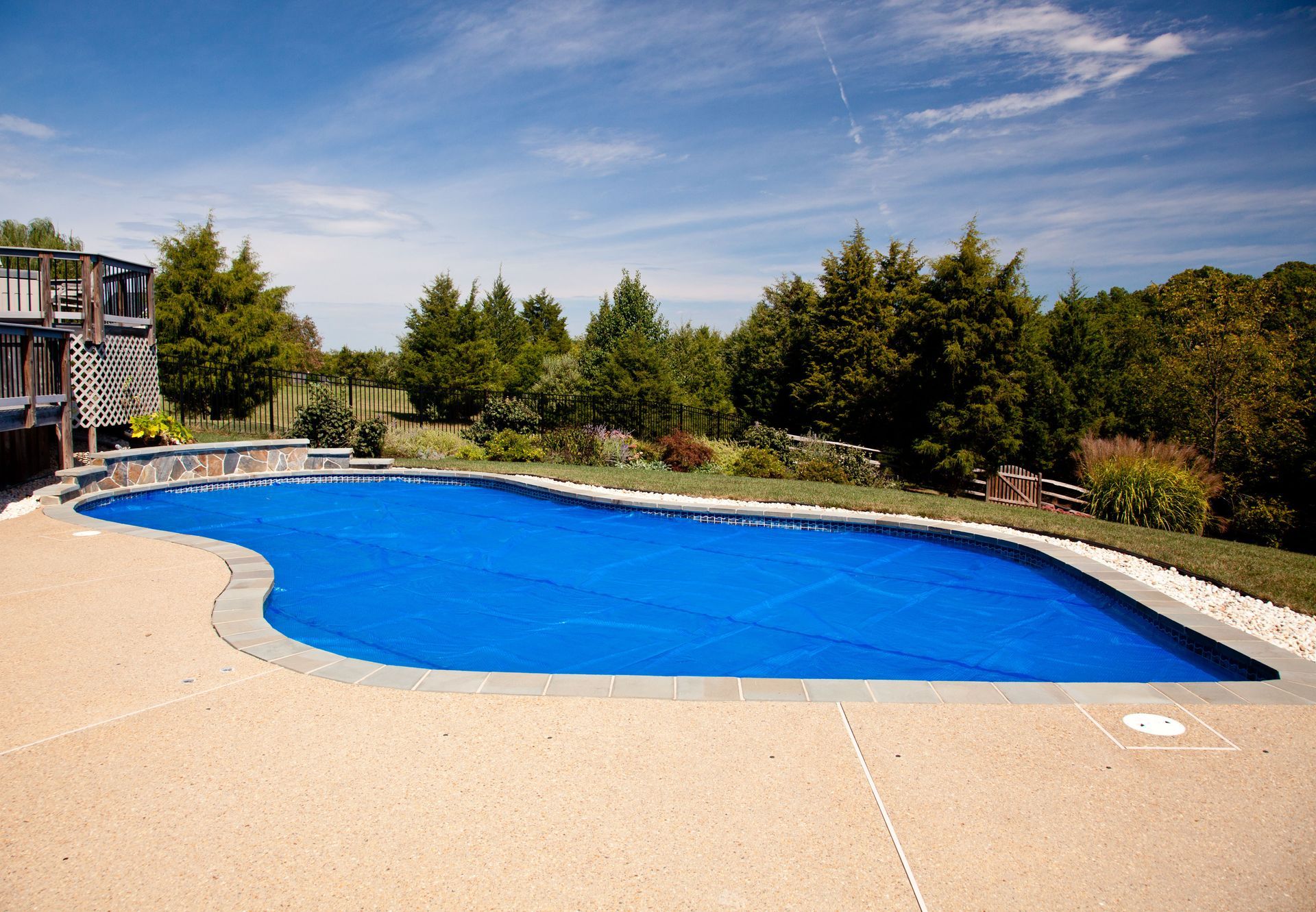
Custom shapes and layouts offer further opportunities for personalization. Concrete patios are not limited to traditional rectangular designs; they can be curved, angled, or expanded with integrated walkways and seating areas. Incorporating elements like built-in planters, fire pits, or water features can make the patio a functional extension of the home’s living space.
Concrete patio installation is a smart investment that combines durability, low maintenance, and design versatility. By understanding the benefits, properly preparing the site, executing the pouring and curing process, maintaining the surface, and exploring design options, homeowners can create an outdoor space that enhances both their lifestyle and property value. With careful planning and attention to detail, a concrete patio can provide a beautiful, functional, and long-lasting gathering space for family and friends. Whether you’re looking for a simple, classic slab or a highly customized design, concrete patio installation offers the perfect solution for transforming your backyard into a welcoming retreat. If you're looking for quality concrete patio installation, contact Garrett Concrete today!